Building a Campus Capsule with Common Sense Staples
When I say capsule, I mean a small set of pieces that mix and match across four months of classes. No one needs twenty themed shirts. Instead, start with five or six items from the Dan Carlin curations that you'll realistically reach for every week.
Here are the core pieces I recommend for a history-friendly semester:
- One classic heavyweight tee in a neutral color
- One graphic tee with a design that sparks conversation
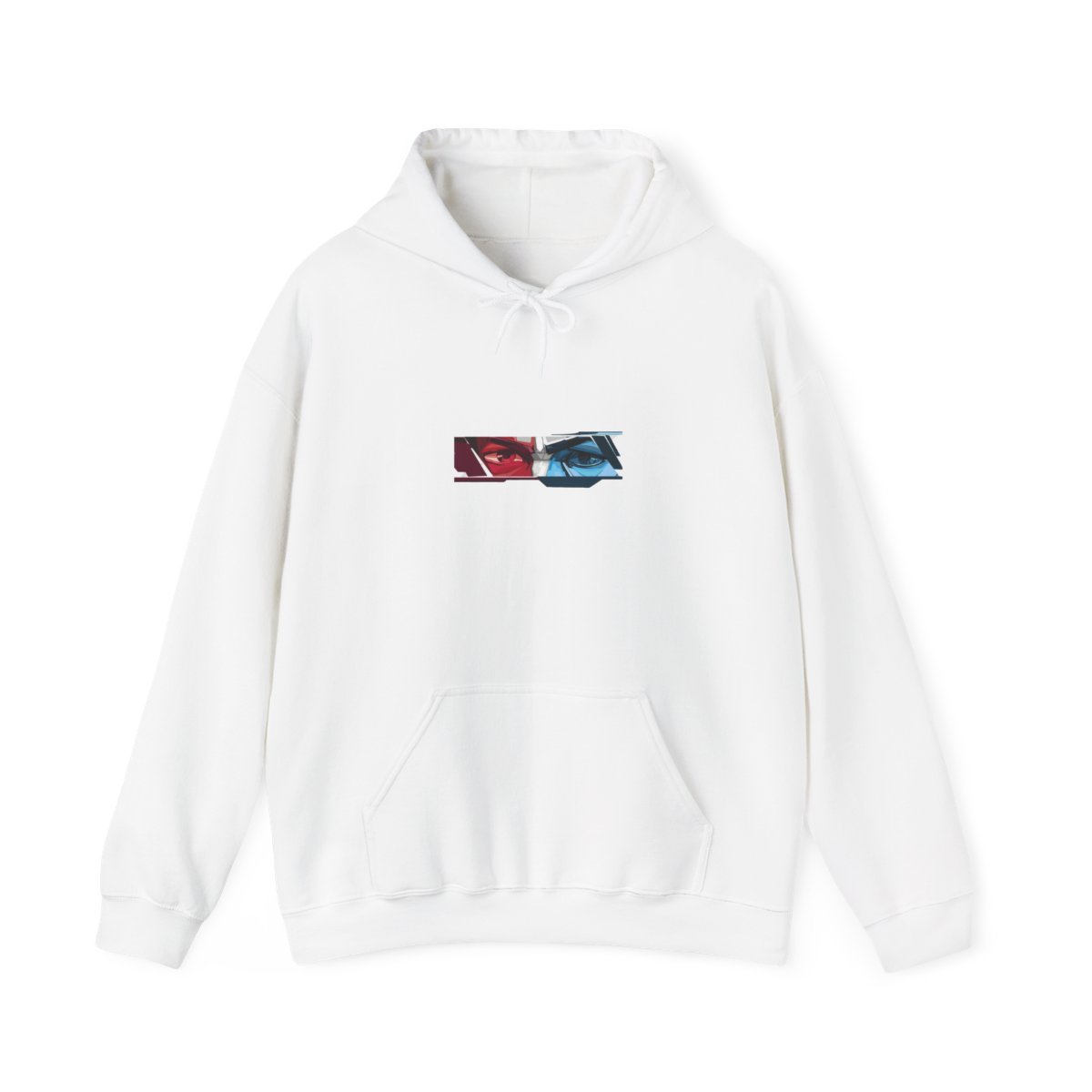
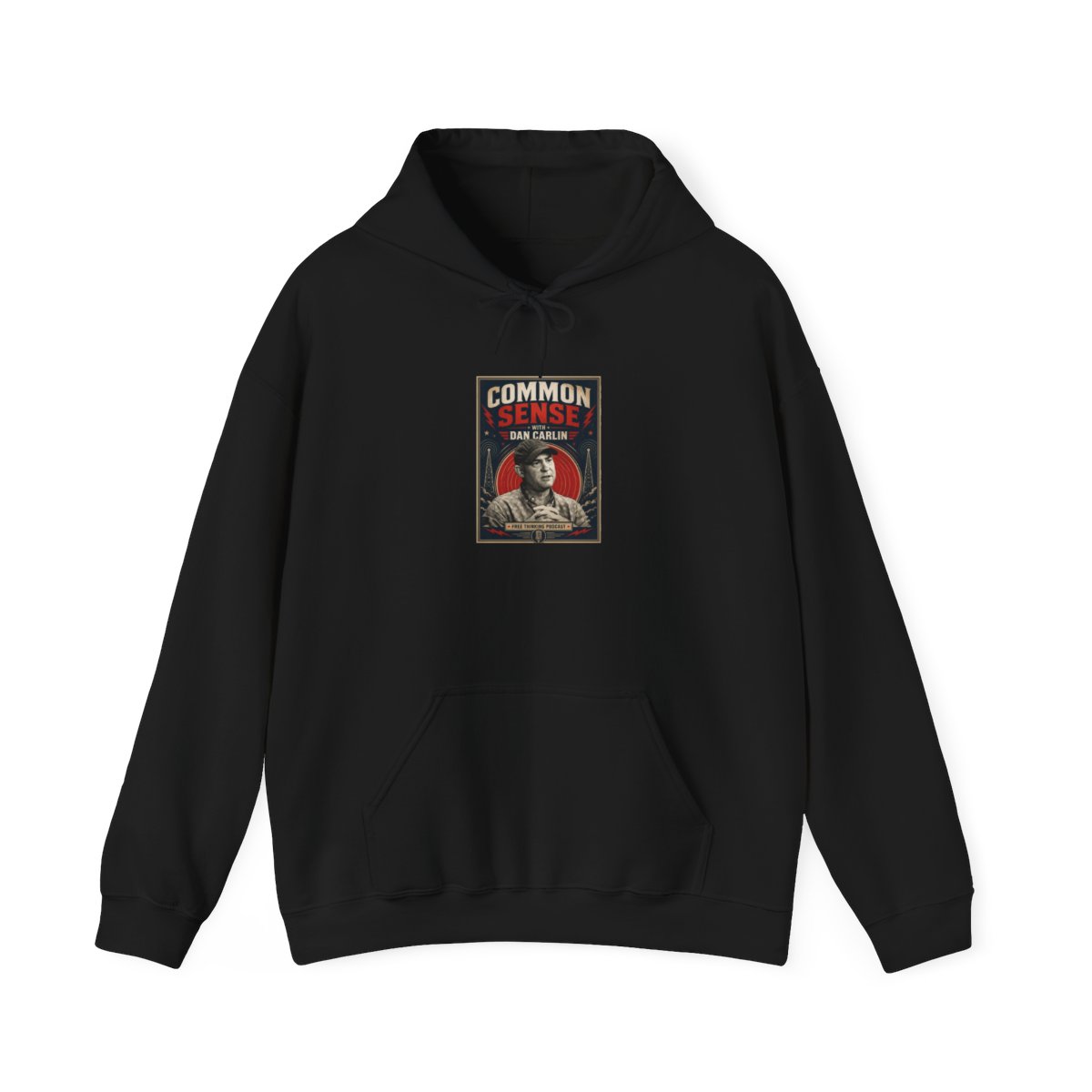
- One fleece hoodie for early mornings and library air conditioning
- One long-sleeve shirt or light jacket for unpredictable weather
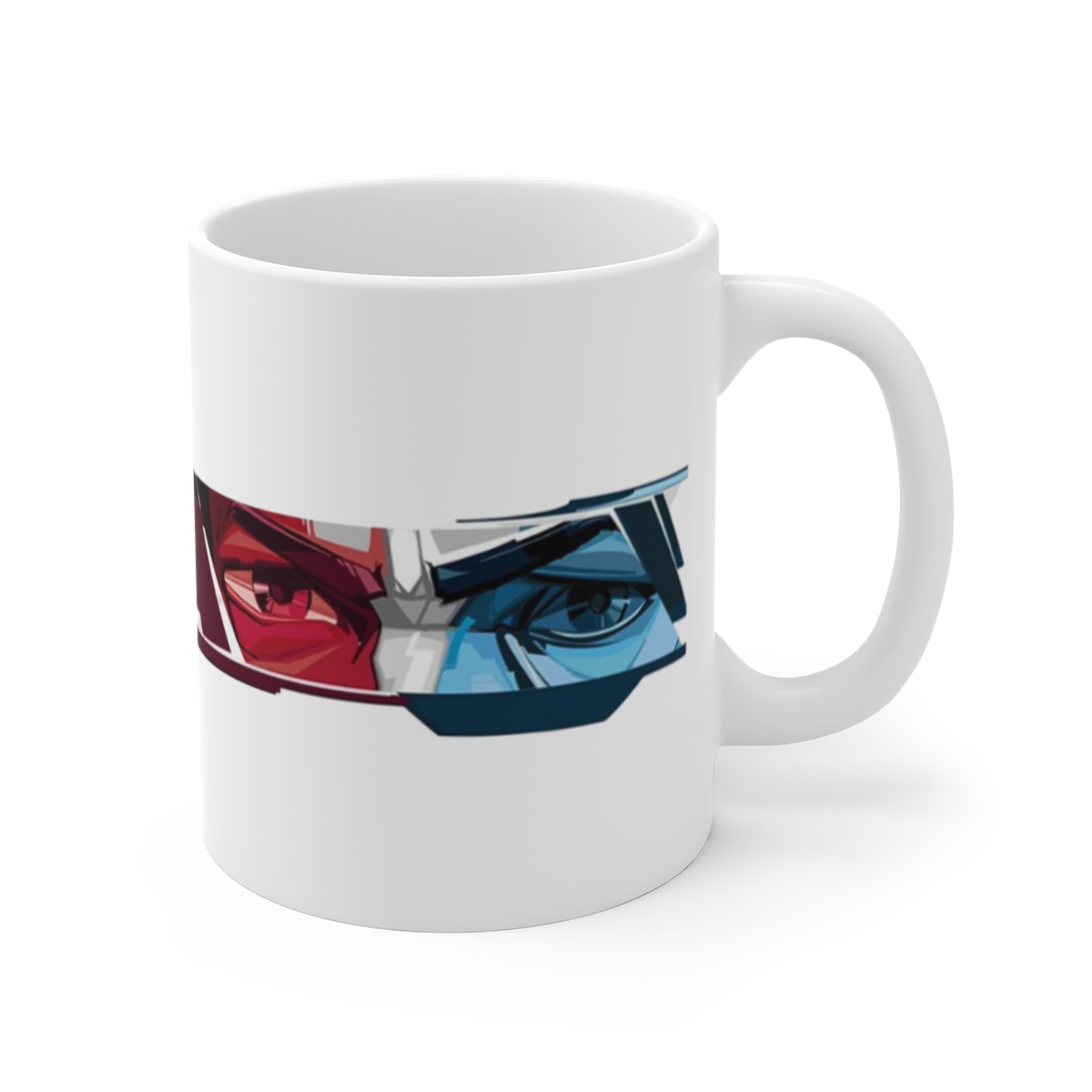
- One sturdy mugs & drinkware collection for dorm room coffee or tea
- One tote bags & totes collection to carry books and a laptop
Why these six? A capsule works because every piece has multiple roles. The neutral tee goes with jeans, cargo pants, or a skirt. The graphic tee becomes the focus when you layer a flannel over it. The hoodie functions as outerwear in early fall and as a mid-layer once temperatures drop. That's not just fashion math - it's practical packing for a small dorm closet.
I'll note that these are not officially licensed Dan Carlin products. They're independent, fan-inspired designs that capture the spirit of Common Sense and Hardcore History. The store curates them the same way your group chat shares a great episode. That distinction matters, because it means the creative direction comes from the community, not from a licensing department.
Choosing the Right Fit
Getting the fit right is the first step. In my experience, the difference between a shirt you wear twice and one you wear twice a week is the fabric. Look for something with at least 4.5 oz of cotton weight. That weight retains its shape after a wash, doesn't cling, and gives the print a smooth surface. If the description mentions a cotton-poly blend, that's also fine because the polyester helps with moisture wicking during a long classroom day.
Check the size chart before you add anything to your cart. Print-on-demand cuts can vary by a full inch between product lines. Measure a apparel collection you already own - the chest and length. Compare those numbers to the chart. That thirty-second step will save you from the disappointment of a shirt that's too short after the first wash.